Religious significance
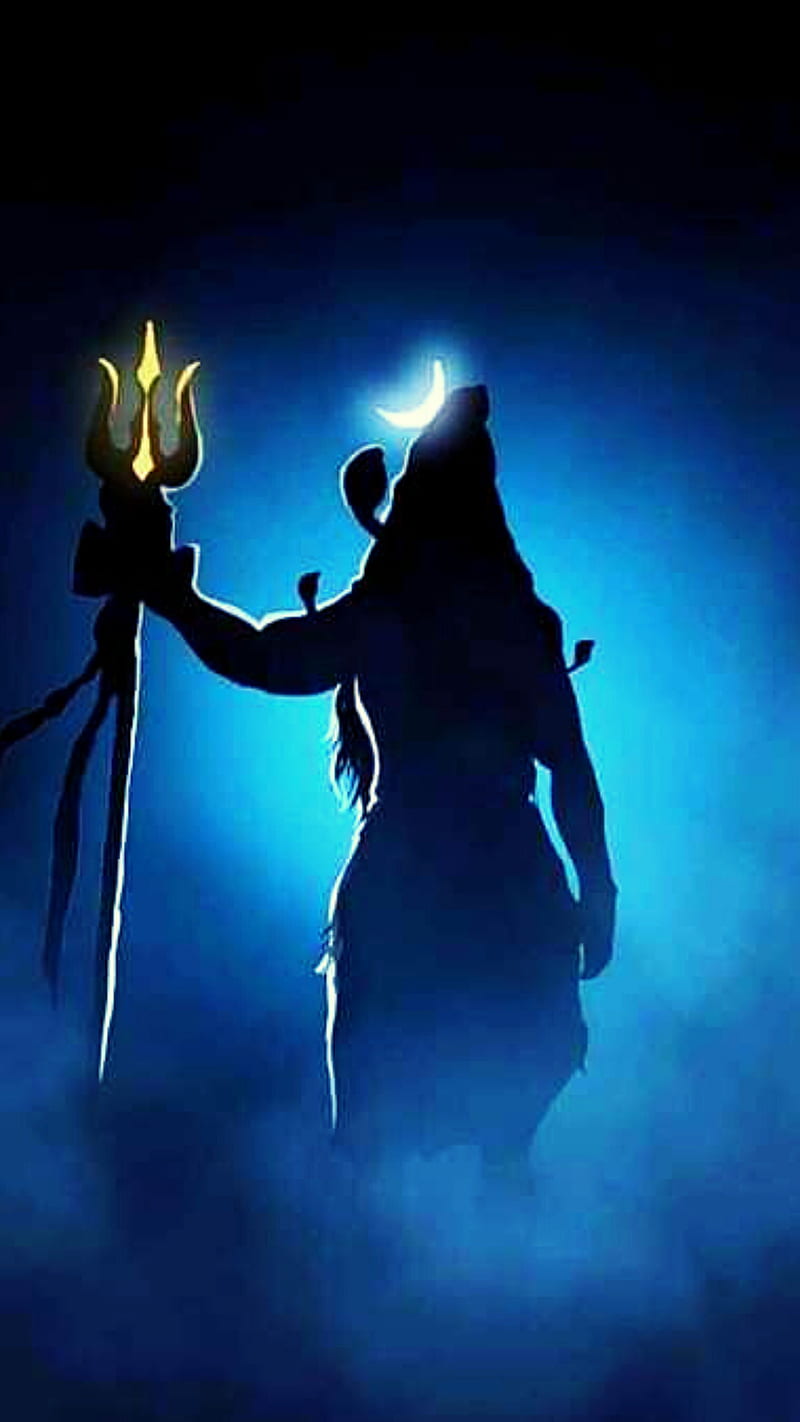
The Annamalaiyar Temple is one of the Pancha Bhootha Sthalams, which are five holy temples of Lord Shiva, where He is worshipped in the form of the five natural elements:
Earth: Kanchipuram (Ekambareswarar Temple)
Water: Kalahasti (Kalahasteeswarar Temple)
Fire: Tiruvannamalai (Annamalaiyar Temple)
Air: Tiruvanaikaval (Jambukeswarar Temple)
Space: Chidambaram (Nataraja Temple)
In this temple, Shiva appeared as a huge column of fire, known as Akkini Jothi. Even the powerful gods Brahma and Vishnu could not find the top or bottom of this divine flame, showing that Shiva is beyond measurement or limit.
The main Lingam in this temple is called the Agni Lingam, which stands for the fire element. It also symbolizes:
Duty
Tapas (deep meditation and penance)
Self-sacrifice
And spiritual liberation at the end of the cosmic time known as Agni Kalpam
The temple is also one of the sacred Aathara Sthalams, which are Shiva temples linked to the energy centers (chakkrams) in the human body, according to Tantric tradition.
The Annamalaiyar Temple is known as the Manipooraga Sthalam, connected to the Manipooraga Chakkram, which is located near the solar plexus (the area around the navel, called Naabhi Moolam in Tamil).
This spiritual connection shows how the divine energy of Shiva flows both in the universe and within each human being.
Saints and literary mention
In the 7th century CE, the great Tamil Shaivite saint Thirugnana Sambandar sang ten beautiful verses in praise of Lord Annamalaiyar and Goddess Unnamulai Amman in the sacred text called Thevaram, which forms part of the First Thirumurai.
His contemporary, Appar (Thirunavukkarasar), also worshipped Annamalaiyar and composed ten devotional hymns included in the Fifth Thirumurai.
Because of these sacred compositions, the Annamalaiyar Temple is honored as a Paadal Petra Sthalam, one of the 276 holy Shiva temples praised in the Tamil Saiva scriptures.
In the 9th century CE, the saint Manikkavacakar visited the temple and lovingly worshipped the divine couple, referring to them as Annamalai and Unnamulai. He composed the Thiruvempavai, a set of devotional hymns, during the sacred Tamil month of Margazhi, while staying at this temple.
Another saint, Arunagirinathar, was born in Thiruvannamalai in the 15th century CE. In his early life, he went astray, living a troubled lifestyle. After falling seriously ill, he tried to end his life by jumping from the northern tower of the temple. However, he was saved by Lord Murugan, who appeared in divine form and gave him new life.
Arunagirinathar became a devout poet and composed many powerful songs in praise of Lord Murugan, especially the famous Thiruppugazh hymns, which are still sung with great devotion today.
The sacred town of Thiruvannamalai became known to the wider world in the 20th century through the divine presence of Bhagavan Sri Ramana Maharshi (1879–1950 CE). He meditated deeply in a cave on the lower slopes of Annamalai Hill, and his spiritual energy continues to guide countless seekers.
His ashram, Sri Ramanasramam, is located at the base of the hill, where thousands of devotees visit each year for peace and guidance.
Inside the temple, in the underground sanctum known as Pathala Lingam, Ramana Maharshi entered deep samadhi (meditative silence) as a young boy. It is said that while he meditated, even ants that tried to bite him eventually went away, recognizing his divine state. This sacred spot is considered a place of enlightenment and liberation.
Thiruvannamalai is known as a Mukthi Sthalam – a holy place where many saints have attained spiritual freedom (moksha). Great souls like Sri Seshadri Swamigal, Gugai Namashivaya, and Yogi Ramsuratkumar reached their highest spiritual state here, adding to the temple’s divine glory.